- HOME |
- PEOPLE |
- RESEARCH |
- PUBLICATIONS |
- NEWS AND EVENTS |
- SEMINARS


Research
Highlights
Another record: Ocean warming continues through 2021 despite La Nina conditions Lijing Cheng, and numerous collaborators including ESSC scientist Dr. Michael E. Mann, have extended previous research to conclude that the world's oceans were again record warm in 2021, for the sixth consecutive year, despite the presence of La Nina conditions.Read the paper >> Print the paper >> |
Apparent Atlantic warming cycle likely an artifact of climate forcing ESSC scientists Dr. Michael E. Mann and Daniel J. Brouillette and alumni scientists Dr. Byron Steinman and Sonya Miller are co-authors of a study that confirms that multi-decadal variability shown in the so-called Atlantic Multi-Decadal Oscillation is indistinguishable from background noise and is, rather, an artifact of climate forcing and that additionally finds that it closely tracks volcanic eruptions over the last millennium.Read more >> Read the paper >> |
Increasing ocean stability decreases productivity and reduces carbon burial ESSC director Dr. Michael E. Mann is a co-author on a study that shows that ocean stratification is greater than previously though, which has a range of implications, including a positive feedback of increasingly warm near-surface waters, decreasing ocean productivity due to reduced oxygen uptake, reduced carbon burial, and potentially stronger tropical cyclones.Read more >> Read the paper >> |
The 2020 Penn State ESSC Atlantic Hurricane Season Forecast ESSC scientists Dr. Michael E. Mann and Daniel J. Brouillette and alumnus Dr. Michael Kozar have released their 2020 Atlantic Hurricane Season Forecast. The forecast cals for between 15 and 24 named storms, with a best estimate of 20 named storms.Read more >> |
Atlantic and Pacific oscillations lost in the noise ESSC director Dr. Michael E. Mann and ESSC alumni scientists Dr. Byron Steinman and Sonya Miller have found that the so-called Atlantic Multi-Decadal Oscillation and Pacific Decadal Oscillation are indistinguishable from the background noise of internal climate variability . |
Controlling future summer weather extremes still within our grasp ESSC Director Dr. Michael Mann and others have published a paper looking at summertime extreme weather patterns in future scenarios of global warming. While climate change will initially exacerbate extreme weather, it is possible that reduction of aerosols from atmospheric pollution could counteract this effect. |
The 2018 Penn State ESSC Atlantic Hurricane Season Forecast Dr. Michael Mann, alumnus Dr. Michael Kozar, and researcher Sonya Miller have released their 2018 Atlantic Hurricane Season Forecast. The forecast calls for between 7 and 13 named storms with a best estimate of 10 named storms.Read more >> |
Sea-level rise, not stronger storm surge, will cause future NYC flooding Dr. Andra J. Reed has published a paper with Dr. Michael Mann, Dr. Richard Alley, Dr. David Pollard, and others about the likelihood of more frequent flooding in the New York City region due to climate change and storm surge from tropical systems. |
Human-caused warming likely led to recent streak of record-breaking temperatures ESSC Director Dr. Michael Mann and others have published a paper in Geophysical Research Letters stating that it is "extremely unlikely" that 2014, 2015, and 2016 would not have been the warmest consecutive years on record without anthropogenic climate change.
|
Allowable 'carbon budget' most likely overestimated
|
The 2017 North Atlantic Hurricane Season Forecast ESSC director Dr. Michael Mann, alumnus Dr. Michael Kozar, and researcher Sonya K. Miller have released their predictions for the 2017 North Atlantic Hurricane season. They are calling for between 11 and 20 storms with a best estimate of 15 named storms. |
Extreme weather events linked to climate change impact on the jet stream
|
Global climate models do not easily downscale for regional predictions Dr. Fuqing Zhang and Dr. Michael Mann recently published a study in Advances in Atmospheric Sciences looking at the uncertainty of global model projections becomes very high as you zoom in on specific regions or locations. Climate models continue to be useful for global or large-scale projections, and further research may better inform regional or local projections. |
Bees' ability to forage decreases as air pollution increases Dr. Jose Fuentes and others looked at the interactions between air pollution and chemistry and how it affects the ability for bees to find and identify food. |
The 2016 North Atlantic Hurricane Season Forecast |
Odds are overwhelming that record heat due to climate change
|
Storms, ozone may play pivotal role in rainforest cloud creation Results from a recent nine-month study of the central Amazon rainforest in Brazil has shown that storm transport of ozone may be influential in the formation of clouds over the canopy and transport of moisture in the southern hemisphere. Results from the study were published in Atmospheric Environment by ESSC scientist Dr. Jose Fuentes and others. |
Scientists: Ocean warming has doubled in recent decades A new study in the journal Nature Climate Change reports that ocean temperatures have increased as much in the last two decades as they had in the last 150 years. ESSC scientist Dr. Chris Forest and others worked on this study. |
Penn State News profiles ESSC Scientist Dr. David Pollard. Dr. Pollard uses numerical modeling to understand the Antarctic ice sheet and the impacts of changes in the ice sheet on sea level rise over the three million years. His work was recognized earlier in 2015 with a Paul F. Robertson Award for EMS Breakthrough of the Year. |
Climate models used to explain formation of Mars valley networks Scientists are using climate models developed for studying Earth to look at the development of canyons and other formations on Mars. ESSC scientist Dr. James Kasting and his group are also examining the development of the current atmospheric composition. |
NYC risks future flooding during hurricanes ESSC graduate student Andra Reed has a new article in the Proceedings of the National Acadamies of Sciences about the impact of climate change on coastal flooding due the combined effect of storm surges from stronger hurricanes and sea level rise. ESSC director Michael Mann was a co-author on the paper. |
ESSC director Dr. Michael Mann, alumnus Michael Kozar, and researcher Sonya K. Miller have released the 2015 North Atlantic Hurricane Season forecast. The prediction is for 7.5 +/- 2.7 total named tropical cyclones, which corresponds to a range between 5 and 10 storms with a best estimate of 8 named storms. |
Interaction of ocean oscillations caused 'false pause' in global warming ESSC researchers Dr. Byron Steinman, Dr. Michael Mann, and Sonya K. Miller have penned a paper in Science that ascribes the recent slowdown in the overall climate warming to oscillations in the oceans, specifically a downward trend in a multi-decadal cycle in the Pacific ocean. |
Greenland plays important role in polar ice research ESSC scientists have been working on creating computer models of the Greenland ice sheet, recognizing its importance in calculations of global sea level rise. |
The 2014 North Atlantic Hurricane Season: Penn State ESSC's Prediction Successful Now that the 2014 North Atlantic hurricane season is over, ESSC scientist Michael E. Mann, alumnus Michael Kozar, and researcher Sonya Miller are assessing their successful total named storm prediction made in May 2014. |
NASA funds study of changing climate, land use on Chesapeake and Delaware Bays ESSC Scientist Dr. Ray Najjar is involved in a NASA-funded project to look at the impact of climate change, land use change, and fertilizers on the Chesapeake and Delaware Bays. The three-year interdisciplinary project will combine satellite data and computer models to study the water quality and changes in the two estuaries. |
Fine-scale climate model projections predict malaria at local levels Research by ESSC director Dr. Michael Mann and others has shown that downscaling of climate model projections can inform malaria risk at finer scales than the original model resolutions. This work was done in collaboration with others in entymology and international health research. |
ESSC Scientists make 2014 North Atlantic Hurricane Season forecast ESSC scientist Michael E. Mann, alumnus Michael Kozar, and researcher Sonya Miller have released their seasonal prediction for the 2014 North Atlantic hurricane season, which officially starts on June 1st and runs through November 30th. The prediction is for 9.3 +/- 3.0 total named tropical cyclones, which corresponds to a range between 6 and 12 storms with a best estimate of 9 named storms. |
| Slowdown of Global Warming Fleeting ESSC director Dr. Michael Mann, together with ESSC researchers Dr. Byron A. Steinman and Sonya K. Miller, have a new study about the causes of the recent slowdown in the warming rate of mean surface temperatures. In the study, the Atlantic Multidecadal Oscillation (AMO) is playing a partial role in offsetting ongoing warming. |
Earth Will Cross the Climate Danger Threshold by 2036 ESSC director Dr. Michael Mann penned this article in April 2014's Scientific American about projections of climate change using an Energy Balance Model. |
New approach alters malaria maps A recently published study in Nature Scientific Reports says that the risk of malarial infection is more closely linked to daily temperature variation than average monthly temperature. Mean temperatures had a tendency to overestimate or underestimate infection risk under certain climate conditions. Dr. Michael Mann is a co-author on this study. |
| Ozone depletion trumps greenhouse gas increase in jet-stream shift |
Professor leads team to Pine Island Glacier in the Antarctic
|
Multiple proxy datasets can clarify ancient climate regimes ESSC postdoctoral researcher Dr. Byron Steinman has released a paper on his research looking at the historical record of drought in arid and semi-arid regions of the western United States. He examined both tree-ring records and oxygen isotopes as proxies for past precipitation and temperatures. Dr. Michael Mann was a collaborator and co-author. |
Tree rings may underestimate climate response to volcanic eruptions
News articles: |
Climate balancing: Sea-level rise vs. surface temperature change ratesRecent research suggests geoengineering approaches which seek to reduce incoming solar energy as a way to combat rising greenhouse gas levels are an imperfect solution to the challenges of climate change. This research suggest that strategies for combating climate change need to balance the problems of sea-level rise as well as surface temperature changes. ESSC scientists Dr. Klaus Keller and Dr. Ryan Sriver participated in the research and comment on the findings. |
Rise of atmospheric oxygen more complicated than previously thought
|
Salt marsh sediments help gauge climate-change-induced sea level rise
|
Penn State expert determined to find life on Earth-like planets
|
Carbon release to atmosphere 10 times faster than in the pastGraduate student Ying Cui, ESSC Scientist Dr. Lee Kump, and their colleagues have published a new study in Nature Geoscience that estimates that the current rate of carbon release to the atmosphere is 10 times greater than during the Paleocene-Eocene Thermal Maximum (PETM, 55.9 million years ago). The PETM is often regarded as an analog for current and future changes in climate, but the faster release of carbon in the modern era could mean that ecosystems may not be able to adapt to changes. |
2011 Atlantic hurricane season prediction calls for above average activity
|
Mann and Kozar release 2010 Atlantic hurricane season prediction
|
Ancient leaves help researchers understand future climate
|
Tiny shelled creatures shed light on extinction and recovery
|
Probing Question: How fast are the polar ice sheets melting?ESSC scientist Sridhar Anandakrishnan tackles this question in the latest edition of "Probing Questions" from Research/Penn State. DeLene Beeland reports on Anandakrishnan's description of and research on the changing polar climate. |
Past regional cold and warm periods linked to natural climate drivers
|
Climate change may drastically alter Chesapeake BayESSC scientist Dr. Ray Najjar and his colleagues have recently authored an article about potential changes in the Chesapeake Bay due to anticipated changes in the Earth's climate. These changes include both physical changes to the Bay's temperature, acidity, and sea level as well as related changes to this important ecosystem. |
Nature article estimates Atlantic hurricanes and climate over the past 1,500 years
Watch NSF video press conference >> Read the article and supplementary information Other news links: Houston Chronicle, BBC, USAToday, New York Times, NYTimes "Climatewire", ScienceNOW, National Post, UPI, Daily Green, NY Daily News , Christian Science Monitor, Pittsburgh Post-Gazette, Washington Post "Capital Weather Gang", Softpedia, WWL
|
Researchers make prediction for 2009 North Atlantic Hurricane SeasonDr. Michael Mann and graduate student Tom Sabbatelli have made a prediction for the 2009 Hurricane season using the statistical model outlined in their 2007 paper in the Journal of Geophysical Research. |
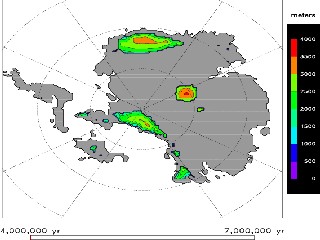
Animations of Antarctic ice sheet changes over 10 million years (updated 2009)
Dr. David Pollard, along with his colleagues, has run several model simulations of the Antarctic climate from the last 10 million years. By studying the dramatic changes from past eras, he seeks to better understand the response of Antarctic ice to changes in atmospheric carbon dioxide levels. |
Speed matters for ice shelf breaking
Image Credit: Mike Usher, National Science Foundation |
Sea level rise alters bay's salinity
Image Credit: NOAA |
Global warming greatest in the past decade
|
Saving lives while wildfires burnDr. Bernd Haupt has teamed up with scientists from Penn State Institutes of Energy and the Environment (PSIEE) to convert weather forecast products from the National Weather Service to a GIS-ready product that can be used by other scientists as well as decision-makers who rely on weather data. This work has been featured in a video showing how foresters use the tools in wildfire management. |
Phytoplankton bounce back from abrupt climate changeThe majority of tiny marine plants weathered the abrupt climate changes that occurred in Earth’s past and bounced back, according to a Penn State geoscientist. "Populations of plankton are pretty resilient," says Timothy J. Bralower, department head and professor of geosciences. Bralower looked at cores of marine sediments related to thousands of years of deposition, to locate populations of these plankton during three periods of abrupt climate change. |
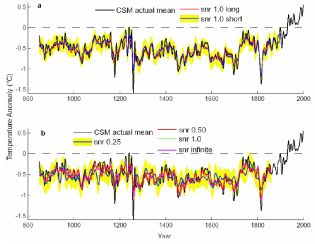
Testing the Fidelity of Climate Reconstruction Methods
|
EOS article highlights research of two ESSC scientists
|
GRL Article Highlighted by AGU
|
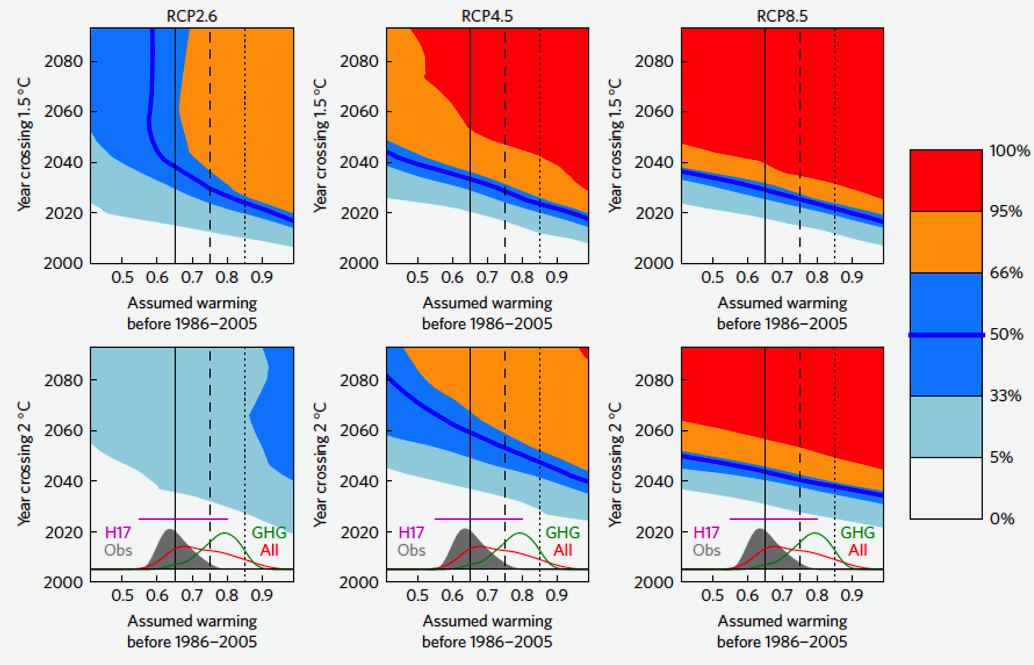 A recent article published in Nature Climate Change examines the definition of the "pre-industrial" baseline used for climate change discussions and projections. The group, including ESSC director Dr. Michael Mann, posits that the actual "pre-industrial" era is much earlier than the one used by the Intergovernmental Panel for Climate Change (IPCC). Changing the baseline could have an impact on targets used in agreements like the Paris Climate Accords.
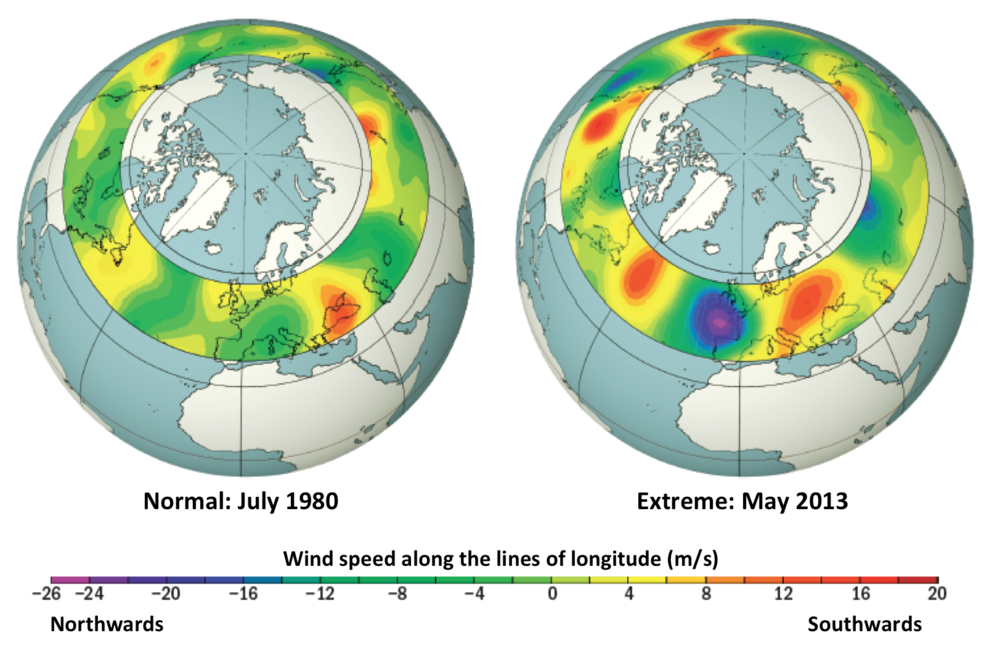 ESSC Director Dr. Michael Mann and others have published a study in Nature Scientific Reports looking at increasing frequency of extreme weather events and the connection to climate change through changes in the jet stream. Through a combination of observations and model output, researchers were able to identify specific events that were linked to stationary peaks in the waves of the jet stream.
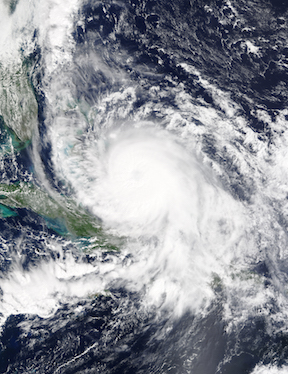 ESSC director Dr. Michael E. Mann, alumnus Dr. Michael Kozar, and researcher Sonya K. MIller have released their 2016 North Atlantic Hurricane Season forecast. They are calling for a more active season.
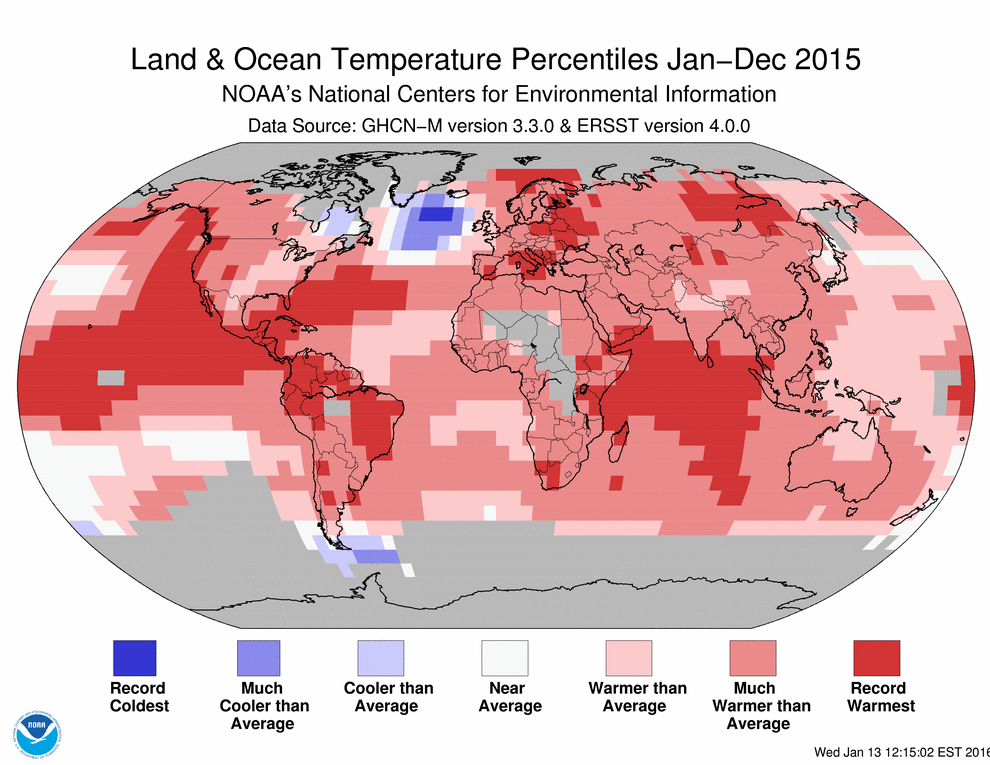 ESSC director Dr. Michael E. Mann and others have recently published a study in Nature Scientific Reports showing that the recent record-breaking warm temperatures would have been extremely unlikely without human-caused climate change.
  Antarctica’s next top numerical model
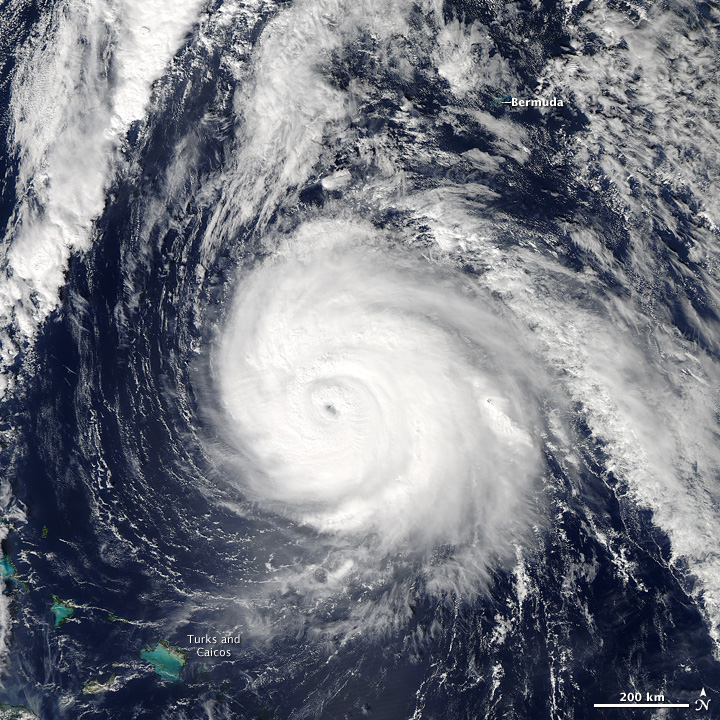 ESSC predicts relatively inactive North Atlantic Hurricane Season in 2015
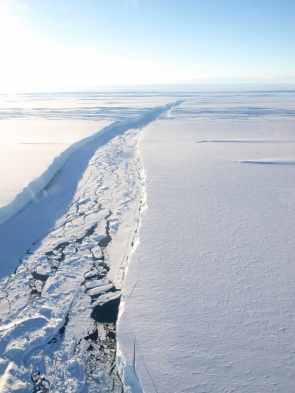 ESSC scientist Dr. Sridhar Anandakrishnan is leading a research team to Pine Island Glacier in Antarctica to study interactions between the glacier, ocean, and ice shelf, especially under warming conditions. His team is attempting to map the glacier and shelf and determine both how thick the ice is and how deep the water underneath the shelf is.

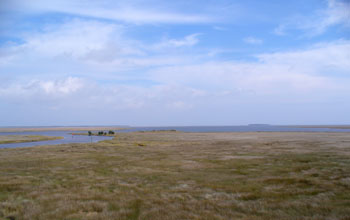 Scientists, including ESSC director Dr. Michael Mann, have recently released a new 2,000 year record of changes in sea level. This new record, derived from salt water sediment cores taken from the salt water marshes of North Carolina, should provide further insight into past and future climate change.
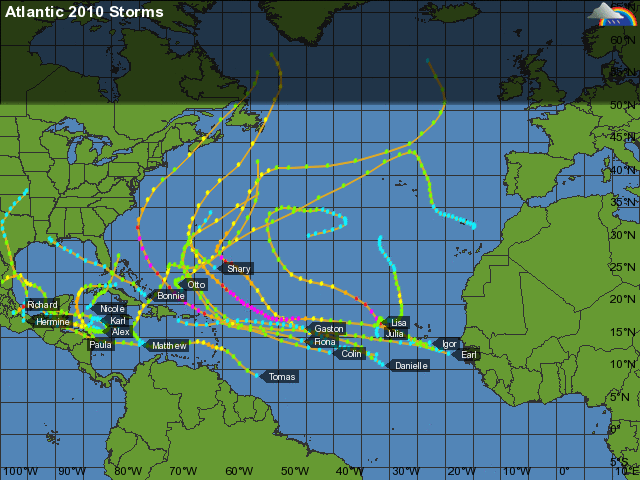 ESSC Scientist Michael Mann and researcher Michael Kozar have released their prediction for the 2011 North Atlantic hurricane season, which starts on June 1st. The prediction is for 16.25 +/- 4.0 total named storms, which corresponds to between 12 and 20 storms with a best estimate of 16 named storms.
 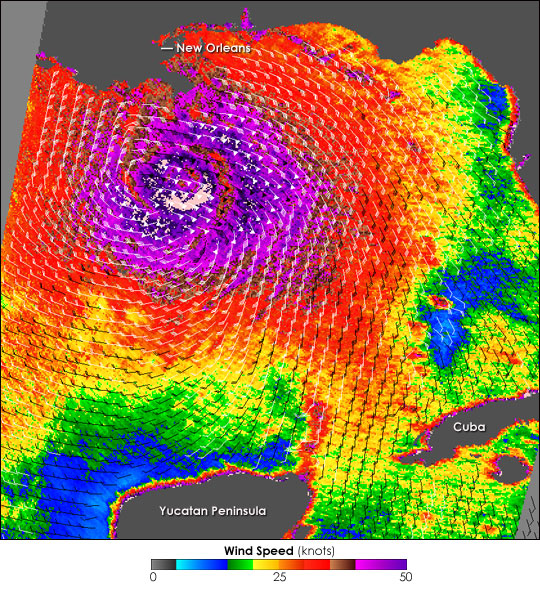 ESSC director Dr. Michael Mann and graduate student Michael Kozar have recently released their prediction for the 2010 Atlantic hurricane season, which runs from 1 June to 30 November. Mann and Kozar predict an extremely active season due to warmer than average sea surface temperatures in the tropical Atlantic Ocean and projections of near-neutral or slightly cool ENSO conditions.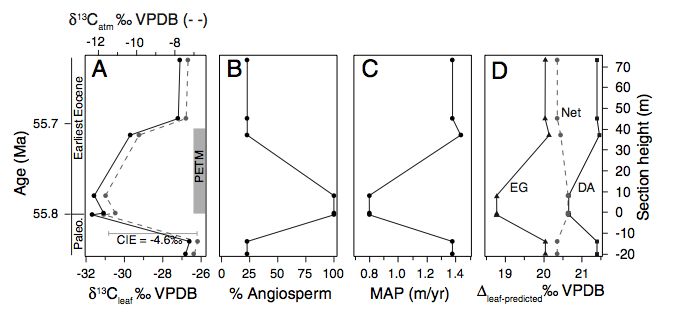
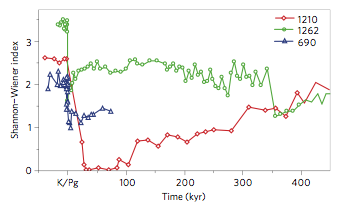 Post-doctoral associate Shijun Jiang and ESSC scientist Dr. Timothy Bralower, along with several colleagues including ESSC scientist Dr. Lee Kump, have published a new study in Nature Geoscience looking at both the extinction of nannoplankton at the Cretaceous-Paleogene boundary and the subsequent recovery of the marine ecosystem.
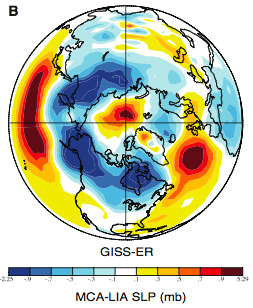 A new article by ESSC director Dr. Michael Mann and his colleagues examines intervals of regional warming or cooling and links them to natural climate phenomena including El Nino and the North Atlantic Oscillation. The researchers used proxy data to reconstruct and study spatial temperature patterns over the last 1,500 years.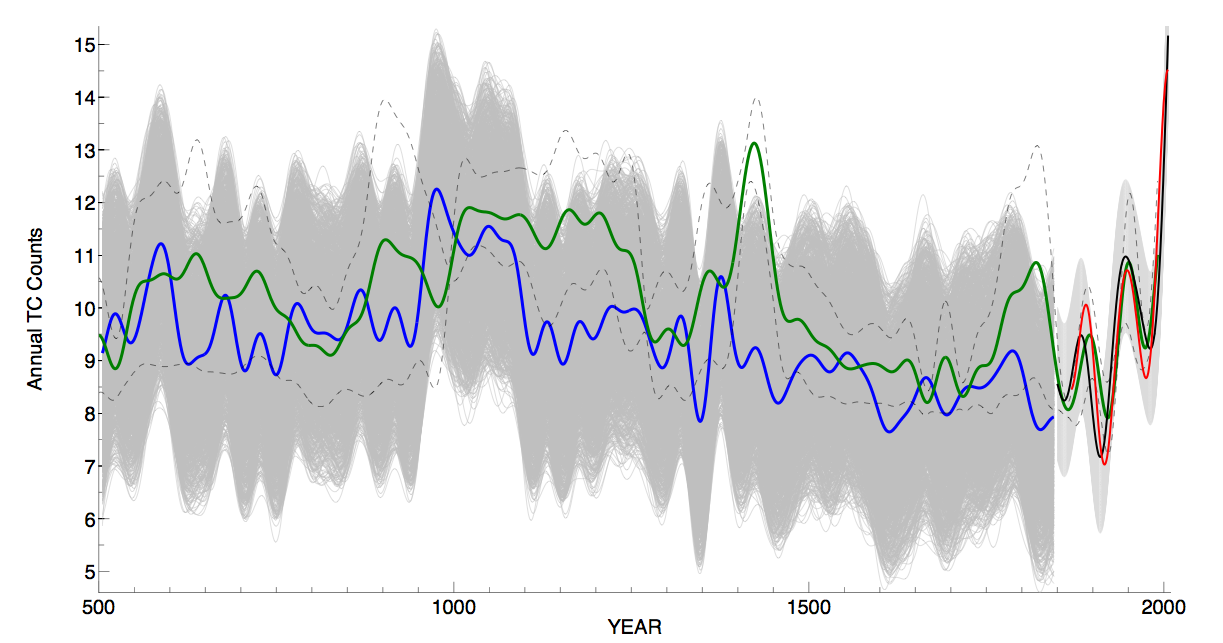
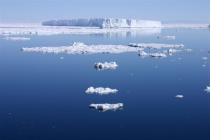 Dr. Richard Alley, Dr. Sridhar Anandakrishnan, and their associates have developed a new equation for determining where icebergs will calve off of ice sheets. They found that the rate at which the ice sheet is spreading is the most important factor in determining the location of the calving. This equation should help scientist develop better ice sheet models.
 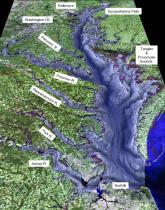 ESSC scientist Dr. Raymond Najjar and his colleagues have been studying the Chesapeake Bay and possible effects of sea level rise on the bay's salinity and marine life. They found that sea level rise has increased salinity in the bay over the past 60 years.
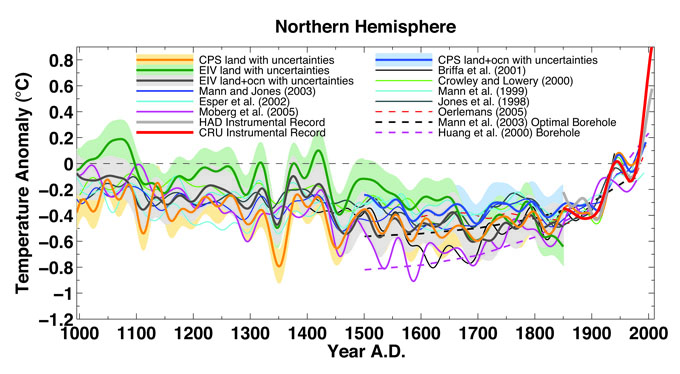 Dr. Michael Mann, together with his colleagues, has published the latest reconstructions of temperatures from the last 1,300 years. These reconstructions show that the most recent decade has the warmest temperatures in the last millennia.